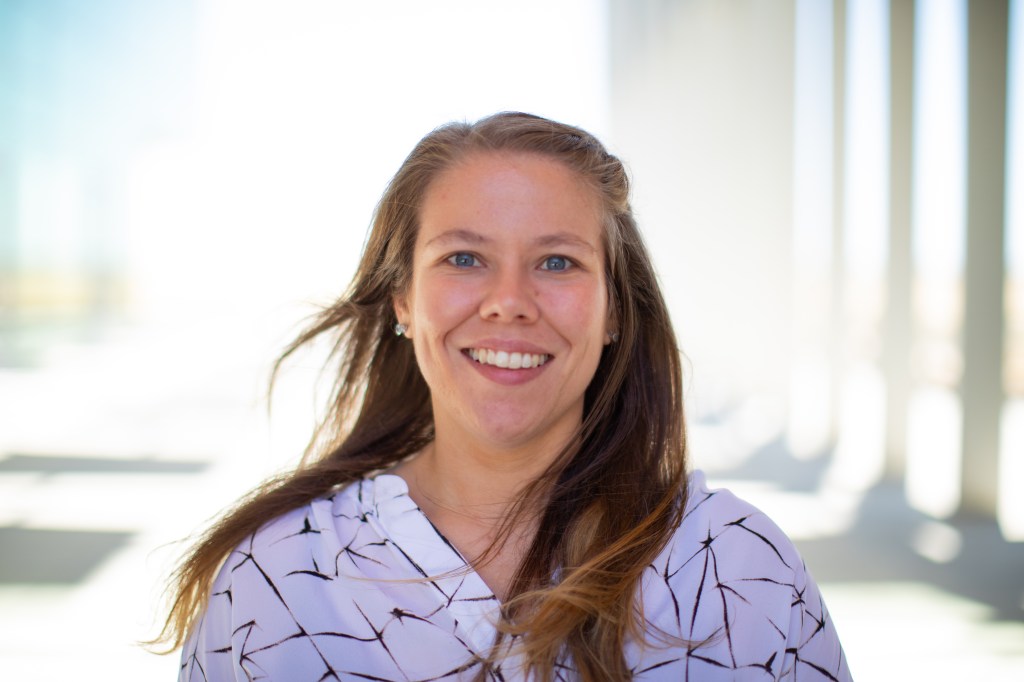
Melanie LeGro- Ph.D candidate at UC Merced in quantitative and systems biology
My career focus revolves around studying and working with biological systems. Through my professional and graduate research experiences I’ve quantified systems ranging from the macro-ecological to molecular in scale. Overall, I aim to bring unity and cohesion to the study of complex biological systems with the goal of solving world-wide issues.
Currently I am gaining mastery evaluating systemic interactions in planarian flatworm models and quantifying their genetic responses to environmental damage. Planarians are invertebrate flatworms with the remarkable ability to regenerate all tissues in their body. Using Omics datasets and bioinformatic tools, I am solving problems across multiple fields of research in DNA damage, tissue regeneration, cancer, and the innate immune system. My first author publication is in progress and answers how stem cell populations bypass cell-cycle checkpoints to continue dividing with DNA damage– a primary driver of cancer progression. This work seeks to understand the molecular and genetic responses to environmental damage.
After obtaining my B.Sc in cell and molecular biology from CSU Sacramento, I spent a brief and intense period as an environmental scientist for the California Department of Water Resources studying ecological systems in the Sacramento-San Joaquin Delta. While working as an environmental scientist, I collected data for state and federal Endangered Species Acts. In response to California’s extreme drought conditions in 2015, I designed protocols that measure the water clarity to protect migrating Salmonid species. This study prevented migrating fish from being sucked into the pumping system, while balancing pumping needs for energy production. Through this intimate glimpse of California’s sustainability agendas I gained a drive to solve complex systemic problems.
Ultimately, I envision my diverse skills with data collection, analysis, and integration of Omics datasets will address multiple systemic issues and impact science policy on a global scale.
 Melanie LeGro